Kent Starr is a criminal defense attorney in McKinney, Texas. He has practiced criminal defense in Collin County since 1997 and takes every consultation himself. The consultation is free and confidential: (214) 982-1408.
You trusted someone. You shared an intimate photo. Maybe it was sent in the heat of the moment. Maybe you were in a relationship and thought the image would stay private.
Then things went wrong. The relationship ended, or maybe it never really began. Now that person has your photo, and they are using it against you. They are demanding sexual favors. They are asking for money. They are threatening to post the image online if you do not comply.
That is a crime in Texas. It is a felony.
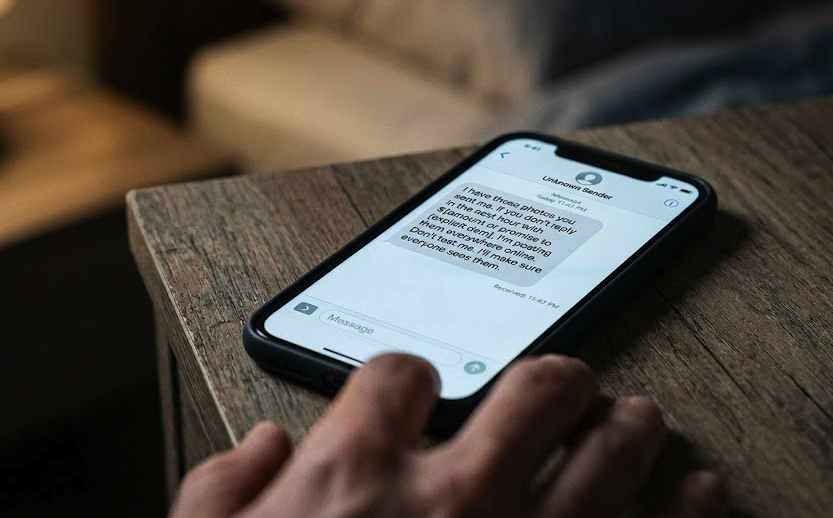
Under Texas Penal Code Section 21.16, the “revenge porn” law, threatening to disclose intimate visual material to get something in return is a criminal offense. The statute covers three separate behaviors, and one of them addresses this exact situation: using a threat to obtain a benefit.
If you are facing this, you have rights. And the person threatening you can face serious criminal consequences.
What the law says about threats to disclose
Texas Penal Code Section 21.16 contains three separate offenses.
Subsection (b), actual disclosure. A person commits an offense if they disclose intimate visual material without consent and with the intent to harm the depicted person. This is the “revenge porn” part of the law: actually posting or sharing the images.
Subsection (c), threatening to disclose. A person commits an offense if they intentionally threaten to disclose intimate visual material without consent, and they make the threat to obtain a benefit.
Subsection (d), promotion. A person commits an offense if they promote intimate visual material on an Internet website or other forum they own or operate.

The threat offense: what the prosecution must prove
For a charge under Subsection (c), the State must prove:
- The person intentionally threatened to disclose visual material depicting another person with intimate parts exposed or engaged in sexual conduct.
- The threat was made without the consent of the depicted person.
- The threat was made to obtain a benefit, such as sexual favors, money or property, another meetup, or anything of value.
- The benefit was sought in return for not making the disclosure, or in connection with the threatened disclosure.
Here is the key point. Subsection (b) requires the State to prove the material was actually disclosed and that it caused harm. Subsection (c) does not require any actual disclosure. The threat alone, if it was made to obtain a benefit, is enough to constitute the crime.
A second charge: sexual coercion under Section 21.18
The same conduct often supports a second charge. Texas Penal Code Section 21.18, the sexual coercion statute, makes it a crime to threaten to commit certain offenses, including unlawful disclosure under 21.16, in order to obtain intimate visual material, an act of sexual conduct, or a monetary or other benefit of value. It applies no matter how the threat is sent, including by text, email, social media, or chat room. A prosecutor can pursue a case under Section 21.16, under Section 21.18, or under both.
What is “visual material” under the law?
The law defines “visual material” broadly to include:
- Any film, photograph, videotape, negative, or slide
- Any disk, diskette, or other physical medium
- Any file in a digital format that allows an image to be displayed on a screen
- Any image transmitted to a screen by telephone line, cable, satellite, or other method
Effective September 1, 2025, the Legislature broadened the definition to expressly include a file in any digital format that can be displayed on a screen. Texted photos, images sent through messaging apps, and screenshots are all covered.
What counts as a “benefit”?
A “benefit” is not limited to money. In this context it can include:
- Sexual conduct or sexual favors
- A monetary payment
- Property or goods
- An agreement to meet up
- Anything of value to the person making the threat
If someone says “send me another nude and I won’t post this,” they are demanding a benefit. If someone says “give me $500 or I’ll post your photos,” they are demanding a benefit. Both are crimes.
What is not a defense
The statute is explicit. It is not a defense that the depicted person:
- Created or consented to the creation of the visual material, or
- Voluntarily transmitted the visual material to the actor.
This matters. Even if you originally sent the photo yourself, that does not give the person who received it the right to threaten you with it later. Consent to receive an image is not consent to use it as a weapon.
What are the penalties?
Every offense under Section 21.16, actual disclosure, threatening to disclose, and promotion, is a state jail felony. A state jail felony is punishable by 180 days to 2 years in a state jail and a fine of up to $10,000.
A charge of sexual coercion under Section 21.18 is also a state jail felony, and it becomes a third-degree felony if the person has a prior conviction under that section. A third-degree felony carries 2 to 10 years in prison and a fine of up to $10,000.
These are felony charges, not misdemeanors. A conviction can mean time in custody and a permanent felony record.
What to do if you are being threatened
If someone is threatening to release intimate photos of you, take these steps.
1. Do not comply with the demands. Giving in to a threat often does not stop it. It can make it worse. The person may demand more. Do not send more photos. Do not send money. Do not agree to meet up.
2. Preserve the evidence. Save every message. Screenshot the texts. Save voicemails. Note the date and time of each threat. This evidence is what law enforcement and prosecutors will rely on.
3. Report the threat. Threatening to disclose intimate visual material to obtain a benefit is a crime. Report it to your local police department or the Collin County Sheriff’s Office.
4. Talk to an attorney. A criminal defense attorney can explain your rights, help you protect yourself, and walk you through the legal options.
What if you are the one accused of making a threat?
If you have been accused of threatening to disclose intimate visual material, take it seriously. This is a felony allegation, and a conviction can mean state jail time and a lasting criminal record.
Depending on the facts, potential defenses may include:
- Consent to disclose. If the depicted person agreed to the disclosure, the threat element may not be met.
- No benefit sought. If you did not make the threat to obtain a benefit, an element of Subsection (c) may be missing.
- No intent to threaten. If your words were not intended as a threat, that may be a defense.
- The image does not meet the definition. If the material does not depict “intimate parts” or “sexual conduct” as the statute defines them, it may not be covered.
Every case turns on its own facts, and the right defense depends on the evidence.
Collin County criminal defense: we handle these cases
At Starr Law, P.C., I have handled cases involving threats to disclose intimate visual material. I understand the law and what is at stake. If you are the target of a threat, or you have been accused of making one, you want an attorney who knows how these cases work. You can read more about how the firm handles sex crime charges in Collin County, and how Texas treats the underlying offense in what revenge porn is under Texas law.
If you are being threatened, do not give in to the demands. Report the threat, preserve the evidence, and get legal help.
If you have been accused of making a threat, do not talk to investigators without a lawyer. The first call you make should be to a defense attorney who has handled these cases.
With experience in Collin County and across Texas going back to 1997, I know how to challenge the State’s evidence and take a case to trial when that is what it takes. Contact Starr Law, P.C. for a free and confidential consultation. Call (214) 982-1408.
This article is general information about Texas law, not legal advice, and reading it does not create an attorney-client relationship. Every case turns on its own facts.
References
- Texas Penal Code, Section 21.16 (Unlawful Disclosure or Promotion of Intimate Visual Material)
- Texas Penal Code, Section 21.18 (Sexual Coercion)
- Texas Penal Code, Section 12.35 (State Jail Felony Punishment)
Frequently asked questions
- What is the difference between actual disclosure and threatening to disclose?
- Actual disclosure under Section 21.16(b) requires that the person actually shared the intimate visual material. Threatening to disclose under Section 21.16(c) only requires that the person made a threat to obtain a benefit. No actual disclosure is necessary for a threat charge.
- Can I be charged if I only threatened to post the photo but never actually did?
- Yes. Under Section 21.16(c), the threat alone is enough to constitute a crime if it was made to obtain a benefit, such as money or sexual conduct.
- What if the person originally sent me the photo voluntarily?
- It is not a defense that the depicted person voluntarily transmitted the visual material to you or consented to its creation. Consent to receive an image is not consent to use it as a weapon or to threaten someone with it.
- Is threatening to disclose intimate photos a felony or a misdemeanor in Texas?
- It is a felony. Every offense under Penal Code Section 21.16, including actual disclosure, threatening to disclose, and promotion, is a state jail felony punishable by 180 days to 2 years in a state jail and a fine of up to $10,000. The same conduct can also be charged as sexual coercion under Section 21.18, which is also a state jail felony.
- What should I do if I receive a threat to release my private images?
- Preserve all evidence, do not comply with the demands, report the threat to your local police or the Collin County Sheriff's Office, and contact an attorney. Saving the messages and reporting the threat early protects you and helps a prosecutor build the case.