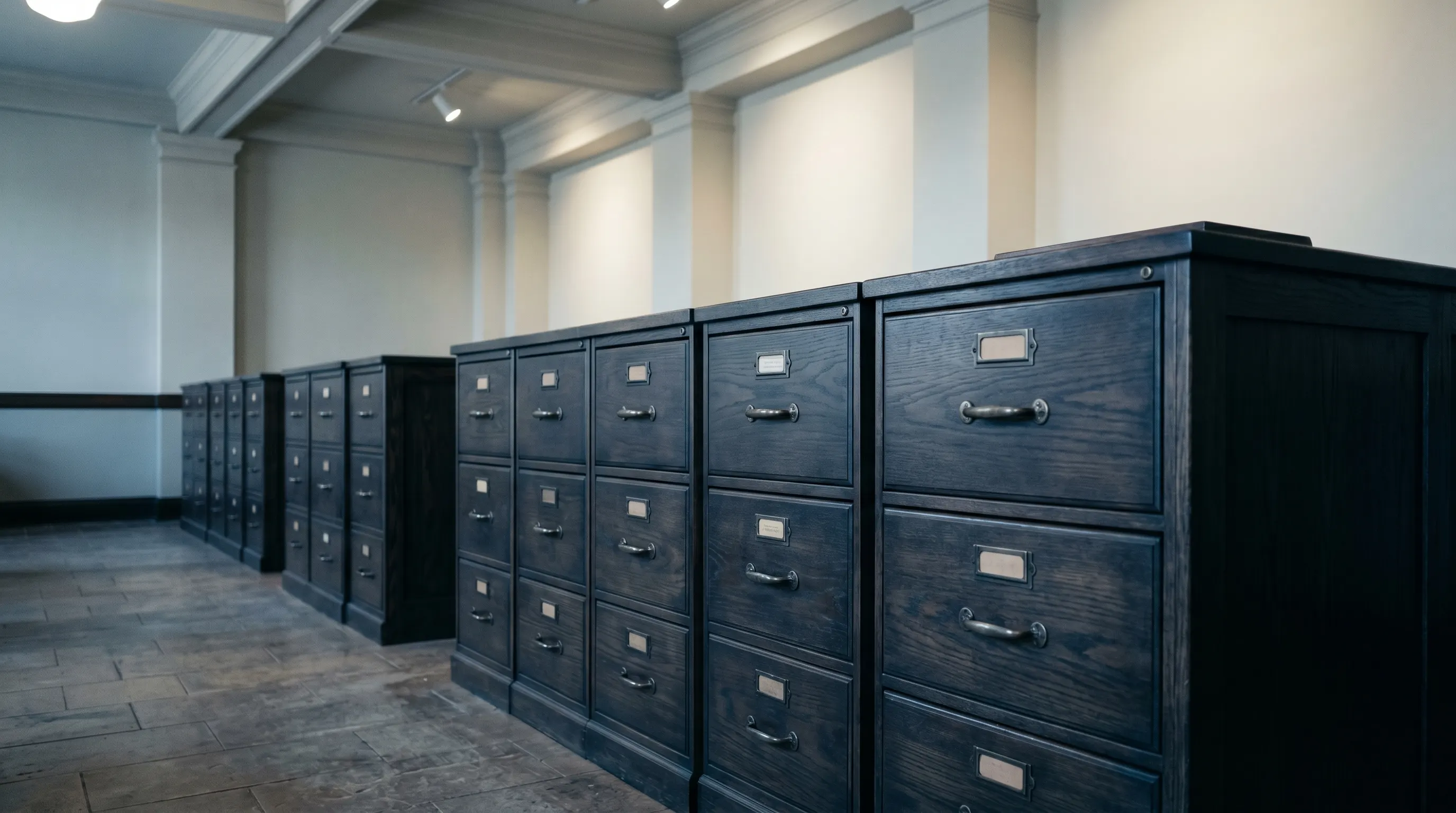
[ 04 / Practice · Theft & Property Crimes ]
Theft & Property Crime Lawyer in McKinney & Collin County
Theft crimes lawyer in McKinney, TX. Shoplifting, burglary, criminal mischief, and fraud under Penal Code Chapters 31 and 30 in Collin County.
Written by Kent Starr, criminal defense attorney. Kent Starr has practiced criminal defense in Collin County since 1997. Office in McKinney, Suite 200. 5.0 on Google, 450+ reviews.
Quick answer
What amount of theft is a felony in Texas?
In Texas, theft becomes a felony when the stolen property is worth $2,500 or more. Under Texas Penal Code §31.03, theft of $2,500 to $30,000 is a state jail felony, $30,000 to $150,000 is a third-degree felony, $150,000 to $300,000 is a second-degree felony, and $300,000 or more is a first-degree felony. Theft under $2,500 is a misdemeanor: Class C below $100, Class B from $100 to $750, and Class A from $750 to $2,500. Some thefts are felonies regardless of value, including theft of a firearm, theft from a person, and theft with two prior theft convictions.
A theft or property charge in Collin County can follow you onto job and apartment applications for years, long after the case is over. Shoplifting sits at one end and burglary at the other, so the range runs from a ticket to a felony. If you have been arrested or cited in McKinney or anywhere in Collin County, talk to a theft crimes lawyer before you talk to police or store security. Kent starts with what the store video and the offense report actually show.
Kent has practiced criminal law since 1997 and works theft and property cases from his McKinney office in the county seat. Theft is a crime of moral turpitude under Texas law, so even a small case is worth fighting.
In Collin County
Theft cases filed in Collin County land in one of two places at the Russell A. Steindam Courts Building on Bloomdale Road in McKinney, and the dollar figure decides which. Penal Code section 31.03 sets the ladder. The one exception is under $100, a Class C that is fine-only and goes to a municipal or justice court instead. At $2,500 or more it is a felony on the value alone. Some circumstances make it a felony even under $2,500, for example when the property was a firearm or when you already have two theft convictions.
If a store stopped you and you walked out with a citation instead of a ride to jail, that is Code of Criminal Procedure article 14.06(c) at work. The citation is still a criminal charge, and the court date on it is real.
The prosecutor's file can arrive without the store video, so Kent sends a preservation request early, before the store's system records over it.
Understanding Texas Theft and Property Crime Charges
Texas Penal Code Chapters 30 and 31 cover a wide range of property-related offenses. Chapter 30 addresses burglary, criminal trespass, and related crimes, while Chapter 31 covers theft offenses ranging from petty theft to aggravated theft based on the value of property allegedly stolen or damaged.
Burglary and Criminal Trespass (Penal Code Chapter 30)
Burglary involves entering a building or habitation without consent with intent to commit a felony, theft, or assault. Criminal trespass occurs when one enters or remains on property after receiving notice that entry is forbidden. Both charges carry significant penalties that increase with aggravating factors.
Theft Offenses (Penal Code Chapter 31)
Theft charges in Texas are primarily classified by the alleged value of property stolen:
- Class C Misdemeanor: Property valued under $100
- Class B Misdemeanor: Property valued between $100 and $750
- Class A Misdemeanor: Property valued between $750 and $2,500
- State Jail Felony: Property valued between $2,500 and $30,000
- Third-Degree Felony: Property valued between $30,000 and $150,000
- Second-Degree Felony: Property valued between $150,000 and $300,000
- First-Degree Felony: Property valued over $300,000
Enhancements That Raise the Charge Level
The value ladder is only the starting point. Theft of a firearm is a state jail felony regardless of value, and so is theft from a person. Two prior theft convictions make a third theft a state jail felony even when the property is worth less than $100. Kent checks for these first.
Shoplifting, Organized Retail Theft, and Civil Demand Letters
Most shoplifting cases in Collin County are charged as ordinary theft under Penal Code §31.03. Loss prevention officers detain suspects under the shopkeeper's privilege, a store's right to hold someone briefly to investigate. What you say while detained usually becomes the heart of the State's case. You are not required to answer questions or sign forms.
Organized retail theft (Texas Penal Code §31.16) is a separate offense aimed at people the State believes stole merchandise to resell. Prosecutors sometimes aggregate multiple incidents into a single higher-level charge, and whether those incidents are truly one scheme is a question Kent examines closely. Breaking an improper aggregation apart can move a case back to misdemeanor court.
Civil demand letters. Weeks after a shoplifting incident, the retailer's law firm may send a letter demanding several hundred dollars under the Texas Theft Liability Act. It is a civil matter, separate from the criminal case. Paying it does not make the charge go away, and refusing does not add criminal punishment.
Burglary Under Texas Penal Code §30.02
Burglary is an entry offense, not a taking offense: the case turns on whether you entered without effective consent and what you intended at the moment you crossed the threshold. Burglary of a building that is not a home is a state jail felony. Burglary of a habitation is a second-degree felony carrying 2 to 20 years, and a first-degree felony if the State alleges intent to commit a felony other than felony theft. That charging language gets Kent's attention early.
Criminal Mischief Under Texas Penal Code §28.03
Criminal mischief covers damaging or destroying someone else's tangible property without consent: a keyed car, a broken window after an argument. It is graded by the pecuniary loss on a ladder much like theft's. Valuation is the battleground: repair estimates can be inflated or can fold in damage that existed before the incident.
How Theft and Property Cases Move Through the Collin County Courts
Anyone arrested for a theft or property offense in Collin County is booked into the Collin County Detention Facility at 4300 Community Ave. in McKinney. Within 48 hours a magistrate reads the charge and sets a bond, which Kent can move to reduce.
Class C shoplifting citations are heard in municipal or justice of the peace courts. Class A and B misdemeanors are heard in the Collin County Courts at Law at the Russell A. Steindam Courts Building, 2100 Bloomdale Road in McKinney. State jail felonies and higher, including burglary, go to the district courts in the same building, and the Collin County District Attorney's Office prosecutes them. The early settings are announcement settings, where the State produces its file under Article 39.14 and Kent tests the offense report against what the video shows.
Many retail theft cases involve no arrest at the store; the report goes to a detective and a warrant issues later. If a detective calls about a store incident, call a lawyer first. If your case ends in dismissal or acquittal, an expunction may clear the arrest from your record.
Where Kent Looks for a Defense in a Theft Case
The first thing Kent checks is value, because value sets the whole charge. The State has to prove the alleged worth of the property beyond a reasonable doubt, and the number in the offense report is often a retail tag or a guess rather than what the item was actually worth. Receipts, appraisals, and the condition of used goods can pull that figure down, and a lower value can drop a felony into misdemeanor court.
Intent is the next question. Theft requires proof that you meant to deprive the owner of the property. If you believed the item was yours, thought you had permission to take or use it, or simply forgot to scan something at the register, that honest claim of right or mistake of fact cuts against the mental state the State has to show.
Identity matters when the case rests on store video. Surveillance footage is often grainy, shot from a bad angle, or run through a loss-prevention officer's recollection weeks later. Kent watches the full clip, not the clip the State chose, and pushes hard when the person on screen is not clearly his client.
And then there are your own words. Once police questioning crosses from a few questions into a custodial interrogation, your constitutional protections attach. A statement taken after that line without proper warnings can be challenged and kept out. Kent reads the report and any recording to find where that line was, because the answer often decides what evidence the jury ever hears.
Collin County Courts We Serve for Theft and Property Crime Cases
Kent Starr regularly defends clients facing theft and property crime charges in:
- Russell A. Steindam Courts Building (McKinney)
- Plano Municipal Court
- Frisco Municipal Court
- Allen Municipal Court
- And various justice of the peace courts throughout Collin County
He also handles cases in the Denton County courts for Frisco and Plano cases that fall on that side of the line, and in Dallas County for Richardson and Sachse cases.
Frequently Asked Questions About Theft and Property Crimes in Texas
I received a civil demand letter from the store's law firm. Do I have to pay it?
The letter is a civil demand under the Texas Theft Liability Act, separate from your criminal case. Paying it does not dismiss the criminal charge, and ignoring it does not add criminal punishment. Talk to a defense lawyer before you pay or respond, because what you say can surface in the criminal prosecution.
Will I go to jail for a first-time shoplifting charge in Collin County?
Theft under $100 is a Class C misdemeanor punishable by fine only, no jail. Theft between $100 and $750 is a Class B misdemeanor carrying up to 180 days in county jail. Those are legal maximums, not automatic results, and courts have alternatives for people without criminal history. No lawyer can promise a particular result, and you should be wary of one who does.
What is the difference between theft and burglary in Texas?
Theft is taking property with intent to deprive the owner of it. Burglary under Penal Code §30.02 is entering a building or habitation without consent, intending to commit a felony, theft, or assault inside. The offense is complete at the moment of entry, even if nothing is taken. Misdemeanor theft can be a fine-only ticket, while burglary of a habitation carries 2 to 20 years in prison.
How We Serve Collin County for Theft and Property Crime Cases
McKinney Theft and Property Crime Defense
Kent represents clients from McKinney, where their Collin County cases are heard at the courts in the county seat.
Plano Theft and Property Crime Defense
Kent represents clients from Plano; their county-level cases are heard in the Collin County courts in McKinney.
Frisco Theft and Property Crime Defense
Kent represents clients from Frisco; their county-level cases are heard in the Collin County courts in McKinney, and Frisco cases can also file in Denton County.
Allen Theft and Property Crime Defense
Kent represents clients from Allen; their county-level cases are heard in the Collin County courts in McKinney.
Schedule Your Free Theft and Property Crime Consultation Today
If you are facing a theft or property crime charge in McKinney or anywhere in Collin County, time is critical. Call (214) 982-1408 today to request a consultation about your case. Carla answers the phone in office hours, and Kent does the consultation himself. Free initial consultation. Payment plans and credit cards are accepted. Se habla español. Nós falamos português.
Theft cases from every Collin County city are prosecuted in McKinney, misdemeanors in the County Courts at Law and felonies in the district courts. The firm's Collin County criminal defense lawyer page covers that path in detail.
In the Collin County courts
After an arrest in Collin County, booking and magistration happen at the Collin County Detention Facility in McKinney, where a magistrate sets bond within 48 hours. Criminal cases are then heard at the Russell A. Steindam Courts Building, 2100 Bloomdale Road in McKinney. Theft charges range from misdemeanors to felonies by the value involved. A felony theft is generally handled in a district court after formal charging.
Field notes
All 5 articles on Theft & Property Crimes
Criminal defense across Collin County.
One office in McKinney, the county seat. If you were arrested or charged in any Collin County city, from Plano and Frisco to Anna and Farmersville, your case runs through the courts here, and Kent handles it himself. Frisco and Plano arrests that land in Denton County, and Richardson or Sachse arrests that land in Dallas County, are handled too.
[ Client Reviews ]
What clients say about working with Kent.
5.0 · Hundreds of Google reviews
-
I chose Mr. Starr after speaking with more than 15 different law firms, and it was one of the best decisions I could have made.
From day one, he was personable, direct, and incredibly patient with all of my questions. What really stood out was that I was able to communicate directly with him throughout the entire process. I was never passed around to a secretary or assistant. Whenever I had a concern or needed an update, I could text him directly and he was always responsive and available.
Christina Martin Google review -
I couldn't be more satisfied with my experience working with Mr. Starr. He has been professional, attentive, and clearly very knowledgeable from day one. Throughout the entire process, Mr. Starr kept me well-informed and made sure I understood my options at every stage.
Mr Starr was thorough, responsive, and always seemed one step ahead, which gave me a lot of confidence during a stressful time.
I'm truly grateful for his dedication and would absolutely recommend him to anyone looking for effective and dependable legal representation.
Nick H Google review -
Just had a chat with Mr. Starr and he was extremely knowledgeable and kind, provided me with information regarding my case that helped lift a massive weight off my shoulders.
I plan on having him represent me going forward and I have full confidence in his ability to provide accurate and helpful input.
Brendan Hendershott Google review
[ 07 / Consultation ]
Talk to a lawyer first.
Request a consultation. We answer the phone, including on Sundays.